Improving how the UK heats its homes has become both an energy affordability priority and a central part of the transition to low-carbon infrastructure.
With many households facing high energy bills and a large proportion of the housing stock requiring upgrades, national policy is increasingly focused on ensuring heating systems are reliable, efficient and financially sustainable over the long term.
The Government’s Warm Homes Plan reflects this evolving focus. While the programme supports the transition to cleaner heating technologies, it is strongly framed around reducing household energy bills, improving home efficiency and supporting those most at risk of fuel poverty. At the same time, it establishes the longer-term direction for how clean heat deployment, infrastructure investment and delivery reform will take place through the remainder of the decade.
With £15 billion of public funding expected to help mobilise wider investment and support upgrades to millions of homes by 2030, the Plan marks a shift away from short-term schemes toward a more coordinated national framework linking affordability, energy efficiency and long-term heat transition.
Beyond household support: building a delivery framework
Much of the immediate attention surrounding the Warm Homes Plan has focused on consumer-facing measures, including grants, financing options and targeted programmes for lower-income households. These initiatives are designed to reduce upfront barriers to upgrading homes while improving long-term energy performance.
However, the Plan also introduces deeper structural reforms aimed at supporting delivery at scale. These include the creation of a national Warm Homes Agency, expanded multi-year funding pipelines and a stronger emphasis on coordinated, place-based delivery between central government, local authorities and infrastructure partners.
Taken together, these measures suggest a move from fragmented upgrade schemes toward a more integrated delivery system capable of supporting sustained nationwide rollout.
The role of heat networks in the new framework
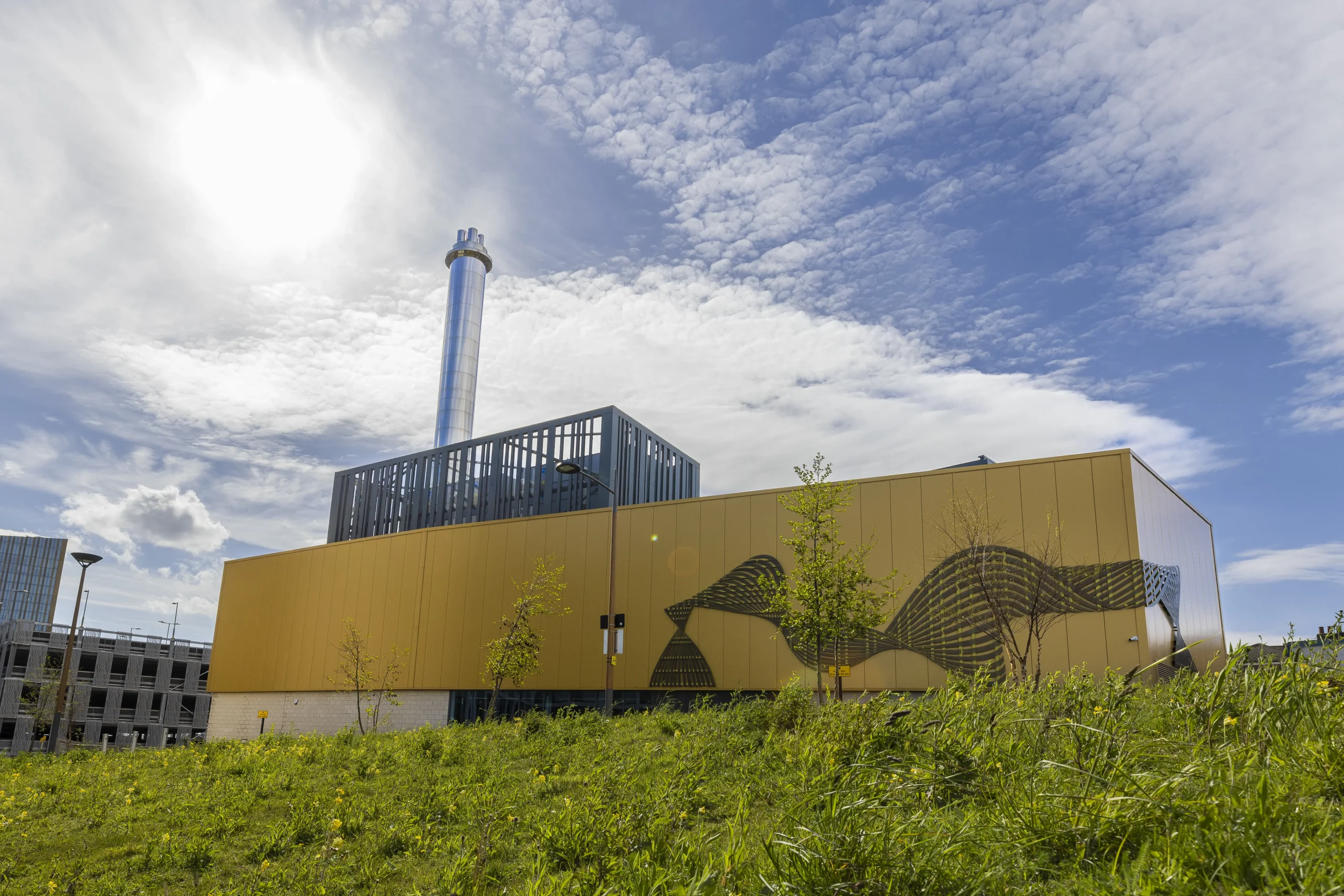
Within this wider policy landscape, heat networks are identified as an important component of the UK’s clean heat mix, particularly in dense urban areas, apartment buildings, city centres and large regeneration zones. In these environments, shared heating infrastructure can often provide a coordinated and efficient approach to supplying heat while supporting long-term decarbonisation goals.
The introduction of heat network zoning will allow local authorities to identify geographic areas where networks represent the most appropriate long-term heating solution. This approach is intended to improve planning coordination, reduce delivery risk and provide greater certainty for investors and delivery partners, helping move the sector toward a planned pipeline of projects rather than isolated developments.
In parallel, the transition toward statutory regulation and strengthened technical standards is expected to support improved reliability, clearer consumer protections and greater transparency across the sector.

From policy ambition to practical delivery
As with any national infrastructure transition, successful implementation will depend not only on policy design but on delivery capability. Upgrading millions of properties and expanding low-carbon heating infrastructure requires skilled labour, resilient supply chains, coordinated planning and long-term operational expertise.
The Plan itself acknowledges that many elements will require further consultation, legislative development and institutional readiness before their full impact can be realised.
Close collaboration between government, local authorities, investors and experienced delivery partners will therefore be essential to translate strategic ambition into functioning infrastructure and real improvements for households.
A long-term shift in how heat is delivered
Ultimately, the Warm Homes Plan represents more than a funding programme. It signals a broader shift in how heating is approached across the UK – moving from isolated building-level interventions toward coordinated energy infrastructure supported by long-term investment, structured delivery models and regulated performance standards.
By linking support for households with wider system reform and place-based planning, the framework aims to ensure that the transition to cleaner heating improves both environmental outcomes and long-term energy resilience for communities across the country.