Delivering the transition to low-carbon heating is one of the UK’s most complex infrastructure challenges. It requires technical innovation, long-term investment, operational expertise and the ability to manage energy systems that will serve communities for decades to come.
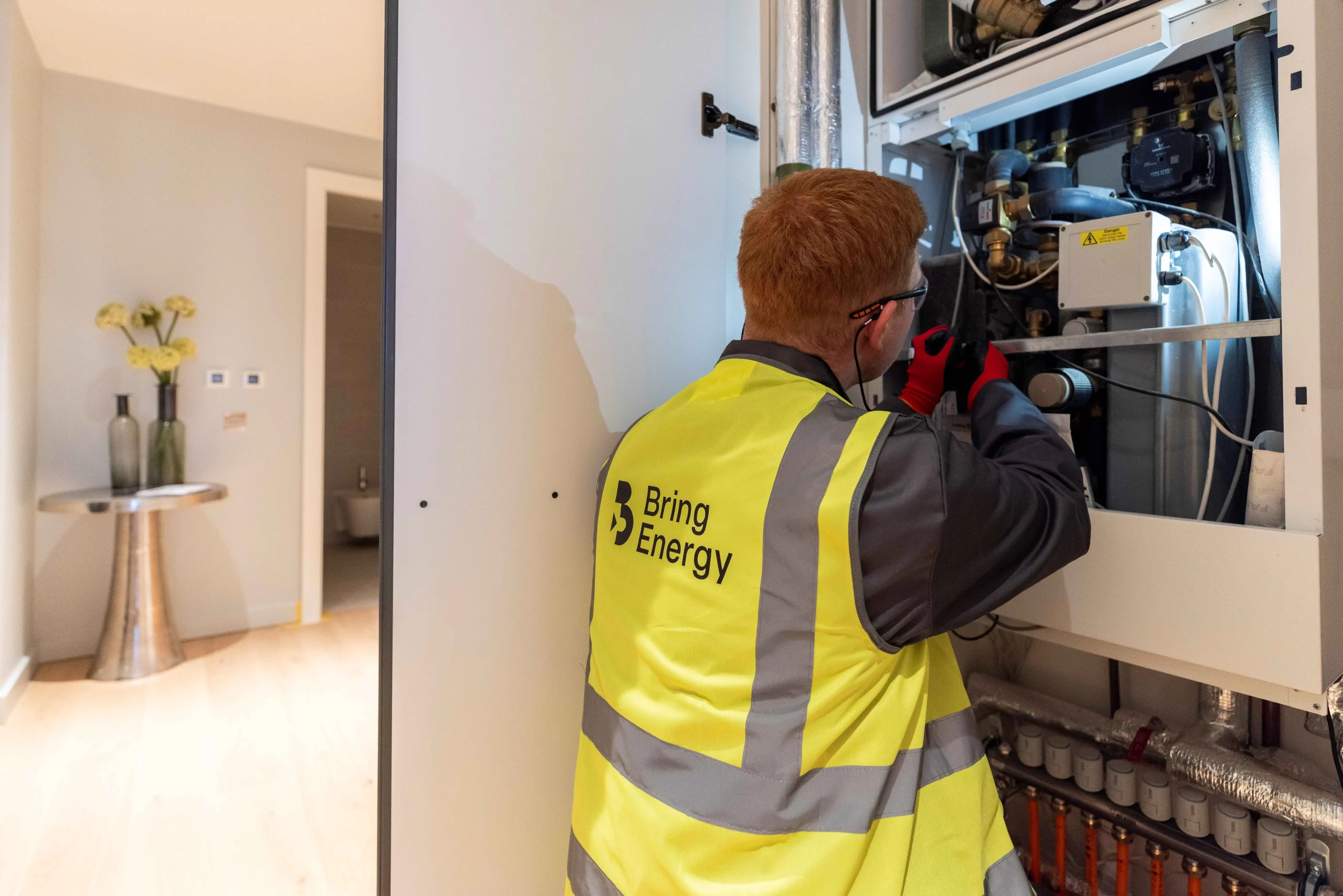
At Bring Energy, this work is driven by teams spanning engineering, programme delivery, asset management and electrical design. Across these disciplines, women are playing a central role in shaping how heat networks are designed, built and operated – supporting reliable, resilient and sustainable energy systems for cities and communities.
Their experience reflects how science and engineering careers in the energy sector are evolving today: technical expertise remains essential, but success increasingly depends on collaboration, communication and the ability to work across disciplines to solve complex real-world challenges.
Engineering solutions that operate at city scale
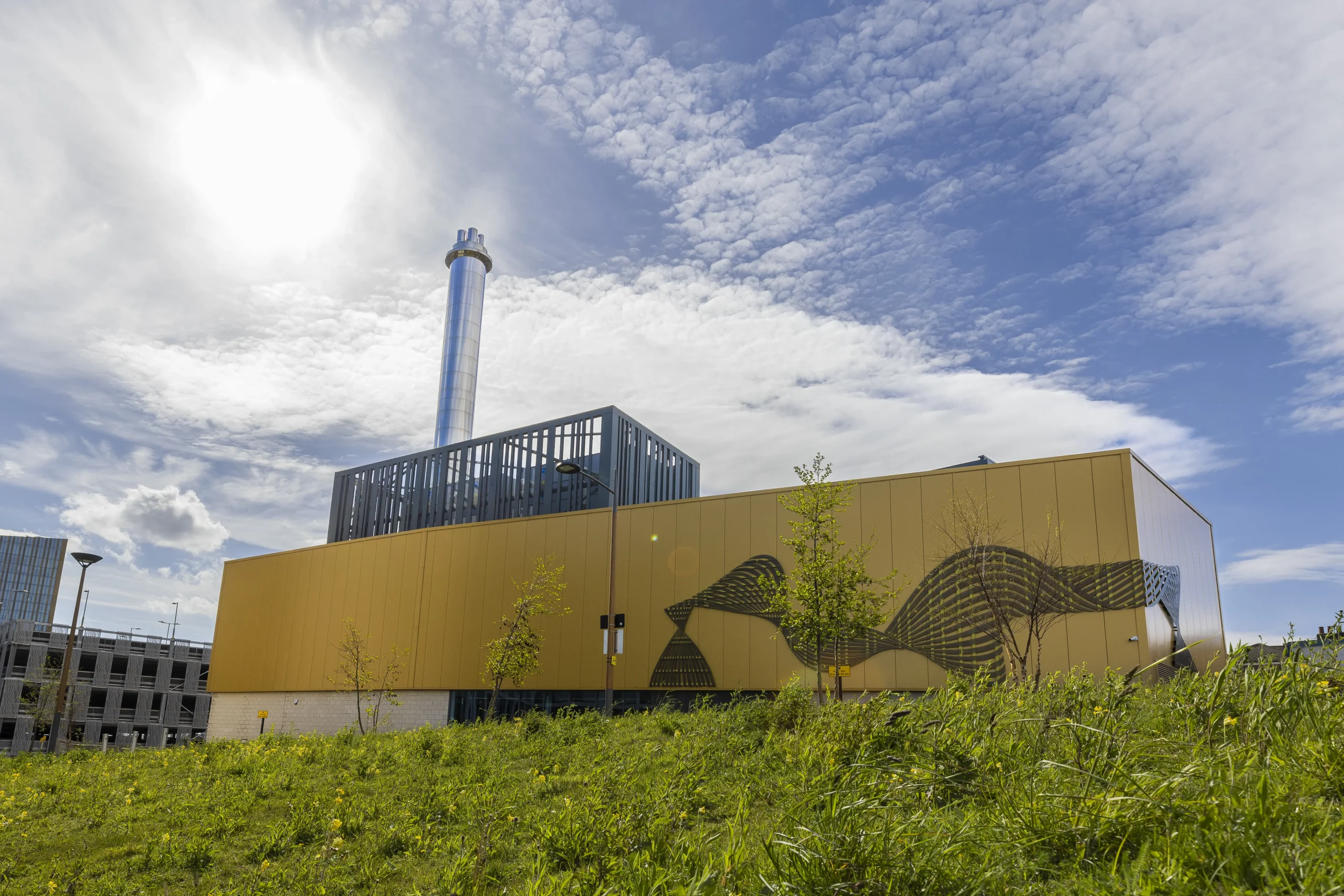
From leading large-scale decarbonisation projects to improving operational performance across existing networks, Bring Energy’s teams work on infrastructure that directly affects how buildings are heated, cooled and powered.
This includes integrating large-scale heat pumps and renewable technologies, securing investment for network upgrades, coordinating technical and commercial delivery, and ensuring long-term system resilience through structured asset management.
The work sits at the intersection of engineering, finance, policy and urban development – demonstrating how modern science-based roles extend far beyond traditional technical specialisms.
Innovation built on collaboration
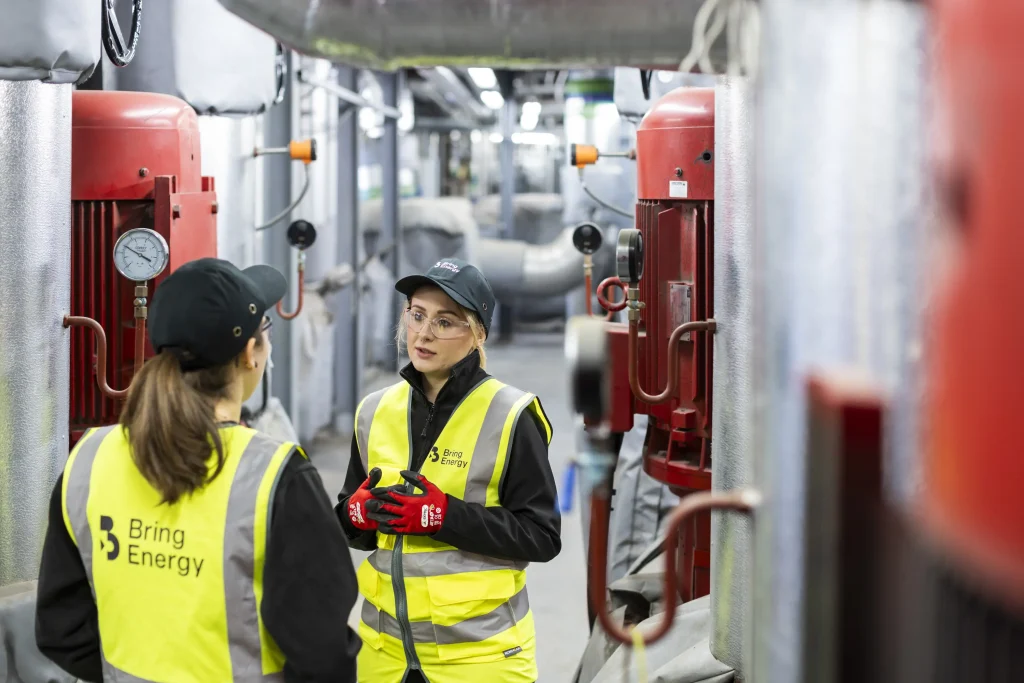
Across the organisation, colleagues emphasise that technical roles in the energy sector are rarely isolated. Delivering heat infrastructure requires engineers, analysts, programme managers and commercial specialists to work closely with developers, local authorities, contractors and operational teams.
Across the organisation, colleagues emphasise that technical roles in the energy sector are rarely isolated. Delivering heat infrastructure requires engineers, analysts, programme managers and commercial specialists to work closely with developers, local authorities, contractors and operational teams.
Communication skills, stakeholder engagement and cross-disciplinary thinking are therefore just as important as technical knowledge. Whether explaining complex system design, coordinating funding and delivery pathways, or managing long-term operational performance, successful infrastructure projects depend on teams that can translate engineering expertise into practical outcomes.
This collaborative model is increasingly central to delivering low-carbon heat at scale, where technical systems must align with planning frameworks, regulatory requirements and the needs of the communities they serve.
A sector at a turning point
The UK heat network sector is entering a period of rapid growth, supported by stronger policy frameworks, investment programmes and regulatory development.
For those working within the industry, this represents a unique opportunity to shape how low-carbon heating infrastructure develops across the coming decades. Projects underway today will determine how cities decarbonise, how energy resilience is strengthened and how future technologies are integrated into existing systems.
As several Bring Energy colleagues highlight, innovation is essential not only for meeting climate targets but also for ensuring systems remain reliable, efficient and affordable for customers over the long term.
Inspiring the next generation
The stories shared by Bring Energy’s engineers and technical specialists highlight a simple but important message: careers in science, engineering and energy are broader, more collaborative and more impactful than many people realise.
From early-stage feasibility modelling to live infrastructure delivery and long-term operational optimisation, the sector offers opportunities to work on projects that directly influence how communities live and how cities function.
As the UK continues to expand its low-carbon infrastructure, attracting a diverse new generation of engineers, scientists and technical professionals will be essential to sustaining innovation and delivery capacity across the sector.