As the UK works to decarbonise buildings and support growing urban communities, the way heat is delivered is becoming an increasingly important part of the infrastructure conversation. Across cities, campuses, and regeneration projects, heat networks are emerging as a long-term solution capable of supporting both sustainability goals and reliable energy supply.
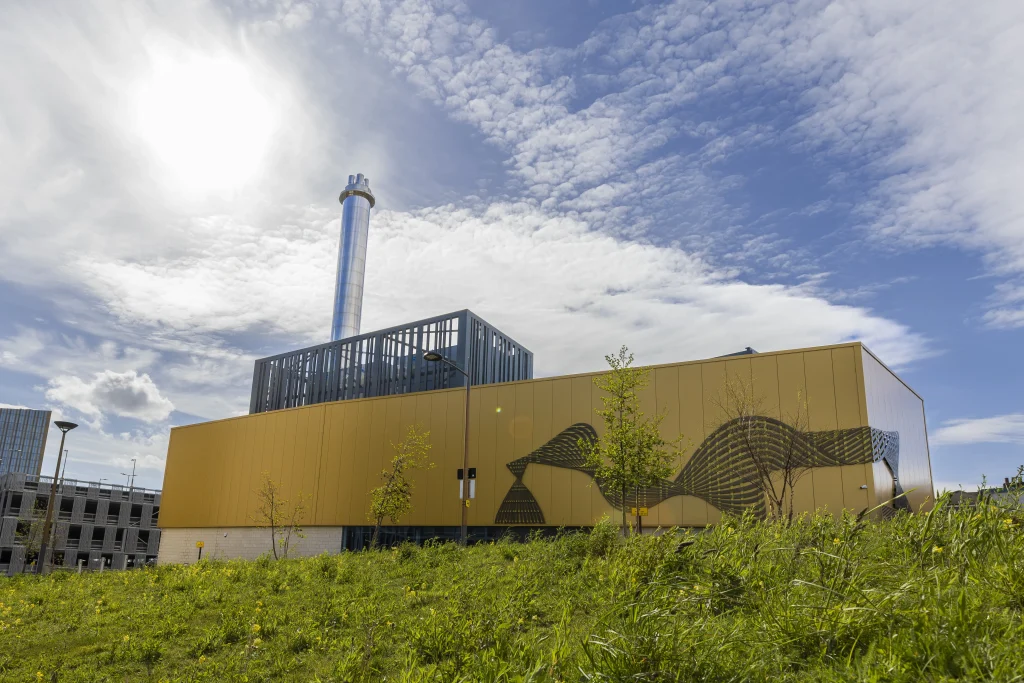
A heat network – sometimes referred to as district heating – distributes heating and hot water from a central energy centre to multiple buildings through a system of insulated underground pipes. Instead of each property operating its own boiler or heating plant, energy is generated centrally and shared across connected homes and workplaces.
Across cities, campuses, and regeneration projects, heat networks are emerging as a long-term solution capable of supporting both sustainability goals and reliable energy supply.
A heat network – sometimes referred to as district heating – distributes heating and hot water from a central energy centre to multiple buildings through a system of insulated underground pipes. Instead of each property operating its own boiler or heating plant, energy is generated centrally and shared across connected homes and workplaces.
The Benefits of Heat Networks
1. They Turn Heat into Strategic, Scalable Infrastructure
This shared approach allows heating systems to be managed, maintained and upgraded at scale, turning heat supply into strategic infrastructure rather than isolated building-level equipment.
Perhaps most importantly, heat networks are built with long-term growth in mind. Unlike standalone building systems, networks can expand over time, connecting new developments or neighbouring buildings as cities evolve. This scalability allows infrastructure to grow alongside urban areas, supporting phased development without requiring entirely new energy systems for each project.
Designed with redundancy, monitoring technology and long-term asset management strategies, heat networks function much like other critical utilities. Their infrastructure-led model supports reliability, enables planned upgrades and helps ensure systems remain operational across multi-decade lifecycles.
2. They Enable Large-Scale Carbon Reduction and System Decarbonisation
One of the most significant advantages of heat networks is their role in reducing carbon emissions. Heat from buildings accounts for a substantial share of the UK’s overall emissions and transitioning away from individual fossil-fuel heating systems presents both technical and logistical challenges.
Because heat networks generate energy centrally, they allow low-carbon technologies – such as large heat pumps, waste heat recovery or other emerging sources – to be introduced at system level. This means entire neighbourhoods can transition to lower-carbon heating without requiring every individual building to replace its internal systems.
3. They Provide Long-Term Flexibility as Technology Evolves
This centralised design provides an important level of future flexibility. Individual heating installations can often lock buildings into a specific technology for decades, whereas energy centres serving heat networks can evolve over time.
As new technologies mature and the wider energy system decarbonises, central plant can be upgraded or reconfigured, helping ensure infrastructure installed today remains fit for the long term.
4. They Support Urban Growth, Regeneration and High-Density Development
Beyond environmental benefits, heat networks are increasingly linked to urban growth and regeneration. Large-scale developments require energy systems that can support long planning horizons, phased construction, and growing populations.
By supplying multiple buildings through a coordinated infrastructure system, heat networks allow local authorities and developers to integrate energy planning alongside housing, transport, and public-realm investment. This makes them particularly well suited to regeneration zones and mixed-use developments where long-term infrastructure resilience is essential.
They are also highly effective in dense urban environments. Installing individual boilers, flues and plant rooms for every building can be complex, space-intensive and inefficient in high-density developments. Heat networks remove the need for separate combustion systems within each property, simplifying building design while freeing up internal space that can instead be used for homes, commercial use, or shared amenities.
5. They Deliver Reliable, Professionally Managed Heating for Customers
For customers, the benefits are equally practical. Modern heat networks are designed and operated as essential infrastructure, with centralised monitoring systems, planned maintenance programmes, and backup generation capacity built into their design.
Because systems are professionally managed and continuously monitored, potential issues can often be identified and addressed more quickly than with isolated building-level heating systems. For residents and building operators, this provides a managed and consistent heating service supported by dedicated operational teams.
Maintenance responsibilities are also simplified. With major infrastructure operated centrally, customers do not need to manage large heating plant or fuel systems themselves, reducing complexity and ensuring long-term system optimisation can be delivered by specialist operators.
As the UK continues its transition toward low-carbon heating, the role of shared energy infrastructure is only likely to increase. By combining environmental performance, operational reliability, and long-term adaptability, heat networks are becoming an increasingly important part of how sustainable cities are planned, built and powered.